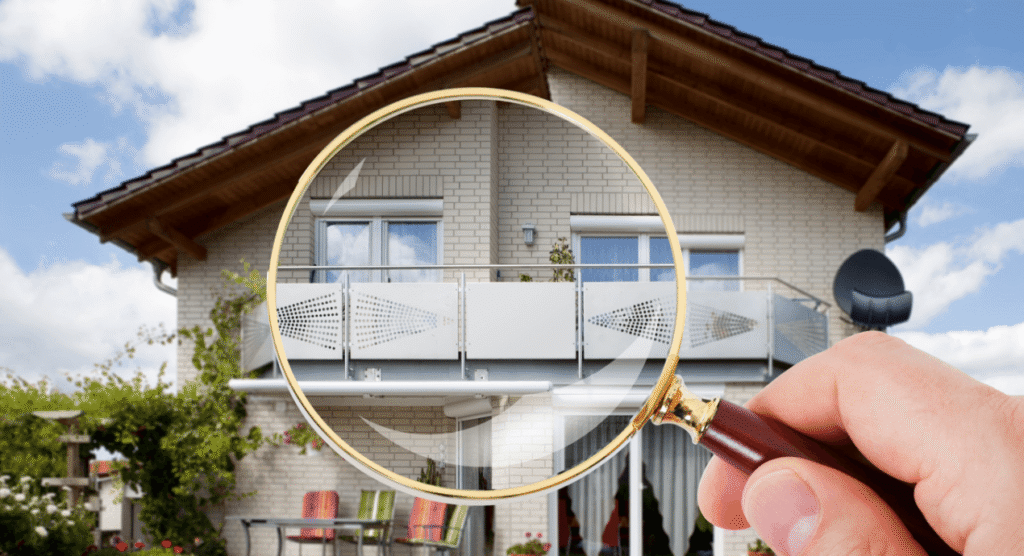

Becoming a first home buyer in Australia is an exciting milestone. You may already be exploring options such as the First Home Owner Grant (FHOG), stamp duty concessions, and shared equity schemes that the federal and state governments offer. Amid all this, one piece of advice remains constant: always commission your own building inspection before finalising a purchase. Here’s why a building inspection is a critical safeguard, and how it interlinks with your eligibility for grants and overall confidence in a property decision.
Why a Building Inspection Matters for First Home Buyers
For many first home buyers, purchasing property is one of the largest investments they’ll ever make. A building inspection delivers critical insights into structural integrity, potential safety risks, needed repairs, and long-term maintenance. Such thorough reports help uncover hidden defects—like termite damage, roof rot, or faulty plumbing—that might otherwise go unnoticed. Owner‑commissioned inspections tend to be more rigorous than vendor‑commissioned ones; relying on the latter has led to buyers discovering major faults only post‑settlement, resulting in costly surprises.
Beyond identifying problems, these inspections inform negotiation strategy. If significant defects are revealed, you may negotiate a lower purchase price, ask the seller to fix issues before settlement, or even walk away without penalty if your contract includes inspection clauses. Informed decisions early help prevent emotional attachment to a property that may be structurally unsound.
What to Expect in an Inspection: Stages and Scope
Building inspection reports vary, but typically include a comprehensive review of roof structures, foundations, subfloors, walls, timber, electrical systems, plumbing connections, and more. Inspections often take two to three hours, depending on property size and condition.

Attending the inspection is highly recommended for first-time buyers. It opens a dialogue with the inspector in real time, allows you to ask questions, and provides clarity on observations as they emerge. It’s also an educational opportunity to learn about potential maintenance needs or warning signs in a property.
Government Grants and Home Purchase Assistance in Australia
As a first home buyer in Australia, there are multiple pathways available to reduce upfront costs, including cash grants, stamp duty relief, and shared equity schemes:
First Home Owner Grant (FHOG): Each state administers its own version. For example, South Australia offers up to $15,000 for eligible applications signed after June 2024 with no property value caps; Victoria and New South Wales offer around $10,000 for new homes under value thresholds (often $600,000 or $750,000 depending on region).
Stamp Duty Concessions: Some states fully or partially waive stamp duty for first home buyers on eligible purchases. Victoria, for instance, abolishes stamp duty entirely on homes valued under $600,000 and phases it in up to $750,000.
Home Guarantee Scheme & First Home Guarantee: Through the Help to Buy or Home Guarantee initiatives, the Australian Government may enable eligible buyers to purchase with as little as 5% deposit (or even 2% for single parents via the Family Home Guarantee). The government guarantees the lender against default up to 15% of property value, avoiding the need for Lenders Mortgage Insurance. Income caps and price caps vary by state and program.
When building inspections reveal pre‑purchase risks, low‑deposit programs can become even more valuable, as they reduce the overall cash outlay. However, locating serious issues early is essential so you don’t commit to a property that may become expensive to own or require immediate remedial work.
Aligning Inspections with Grant Eligibility and Financial Planning
Before applying, you need to understand timing and eligibility criteria. For the First Home Owner Grant, the contract must be signed with an eligible property type (a new build, off‑the‑plan purchase, or substantially renovated home), the purchase price or combined land/build cost must typically fall under thresholds (often $600,000‑$750,000), and you must satisfy residency requirements: move in within 12 months and live there for at least six continuous months.
A building inspection is usually arranged after making an offer but before final exchange. If the inspection identifies unacceptably high repair costs, you may revise your offer or negotiate repair responsibilities to preserve eligibility—especially important when entering finance agreements tied to grant deadlines.
For shared equity and guarantee schemes, your income threshold (e.g. ≤ $125,000 individual, $200,000 joint) needs verification via tax returns. The award of a guarantee doesn’t create cash—rather, the guarantee to the lender avoids PMI, making the mortgage feasible at low deposit levels.
Clear inspection reports help lenders and insurers evaluate the property risk. Minimising unresolved defects makes approval smoother and avoids conditions that delay settlement.
Common Issues Uncovered by Building Inspections
While each property has its own quirks, Australian inspection reports frequently highlight problems with roof space—including water damage, termites, and rot—sometimes missed in cursory vendor‑created reports. Subfloor areas may reveal foundation cracking or dampness. Electrical and plumbing faults, roof leaks, structural timber decay, poorly installed renovations, mould, and faulty drainage systems can all emerge.
In older homes, asbestos or non-compliant wiring may pose significant hazards. Repairs can range from minor maintenance to major structural rectifications, costing thousands. For new homes or brand-new off‑the‑plan units, issues may include incomplete finishing, defect liability items, or builder warranty concerns—also worth scrutinising carefully.
Maximising the Value of Your Inspection Report
To make the most of your inspection, be present during the assessment, bring a copy of the property contract, ask questions, and document concerns with notes or photos. If major issues arise, consult your solicitor or conveyancer to understand your rights under inspection clauses. You may request the seller negotiate repairs before unconditional exchange, or adjust the offer price accordingly.
At settlement, request any necessary certificates (for example, final inspection certificates or occupancy permits) that support eligibility for FHOG or convey compliance with building regulations, especially if you’re owner‑builder or using a house‑and‑land package.
Balancing Costs: Inspection Fees vs Risk
Yes, there is a cost associated with building inspection—typically a few hundred dollars depending on property size and location. But in the context of a property worth hundreds of thousands of dollars, that is small insurance. Avoiding a very expensive mistake, such as hidden termite repair or structural replacement, just once makes it worthwhile. First home buyers benefit the most, because they often have tighter budgets and less room to absorb unexpected costs.
If you’re pursuing grant‑linked finance with a short timeframe, book your inspection early after conditional offer acceptance to leave time for contingency planning.

Building Inspections as Smart First Home Buyer Strategy
Building inspections serve as a critical protective measure in the property purchase journey—especially for first home buyers in Australia navigating government grant schemes, deposit assistance programs, and tight budgets. They help:
- Uncover hidden physical defects and safety issues.
- Inform negotiation and protect your financial investment.
- Avoid reliance on vendor‑prepared reports that may omit critical details.
- Satisfy lender or insurer requirements, especially when leveraging low‑deposit home loan guarantees.
- Provide peace of mind before you commit to settlement and finance.
If you plan to leverage state First Home Owner Grants, stamp duty concessions, or shared equity guarantees, aligning your inspection timeline with grant eligibility rules is essential to avoid disqualification or financial penalty. Attend the inspection in person where possible, understand the findings, and let the report guide any renegotiation or due diligence.
By planning your inspection carefully and understanding how it ties into broader government schemes, you’ll be in a stronger position to make an informed, safe, and successful first home purchase in Australia.