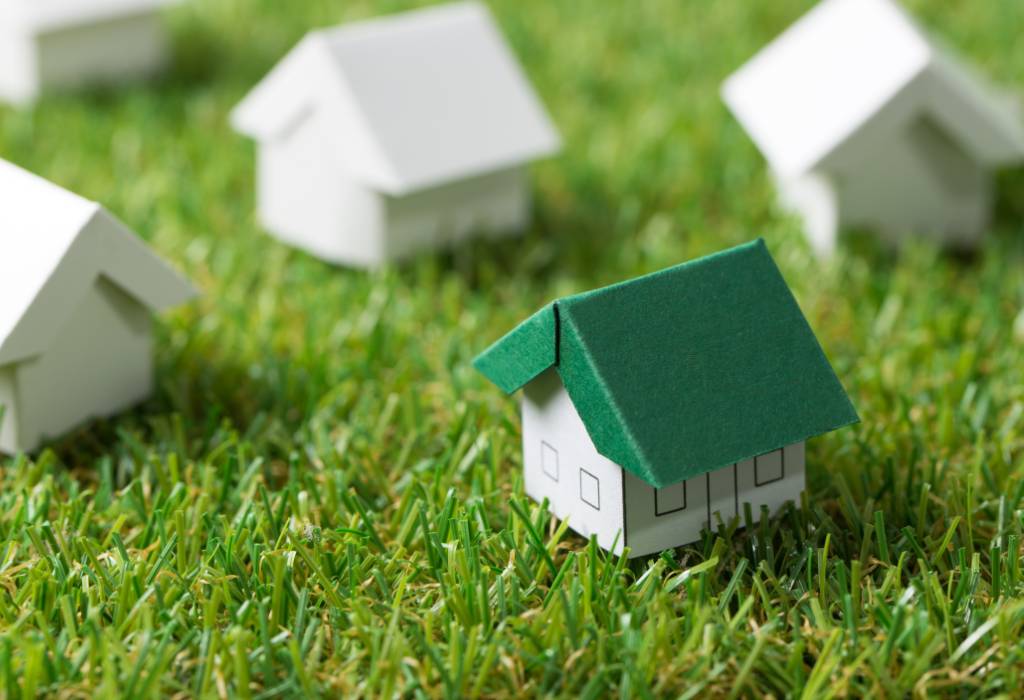

In recent years, eco-friendly homes have moved from niche interest to mainstream aspiration—particularly among first home buyers in Australia. The shift isn’t just about environmental values; it’s also a financial and lifestyle decision, closely aligned with the incentives and practical benefits offered by green living. For first-time buyers eager to make smart choices, eco-friendly housing represents a winning combination of sustainability, affordability, and long-term value.
A New Generation of Buyers with Green Priorities
Today’s first home buyers—especially millennials and Gen Z—are more environmentally aware than previous generations. With the effects of climate change becoming more evident across Australia, many young Australians are prioritising energy efficiency, low carbon footprints, and environmentally conscious construction methods in their home-buying decisions.
This interest goes beyond trend-following. Eco-friendly homes allow buyers to align personal values with practical benefits. Whether it’s solar power, water-efficient appliances, passive design, or sustainable building materials, the green features that come with eco-friendly homes are deeply appealing to younger, values-driven Australians entering the property market.
Why It Matters: The Cost-of-Living Factor
Australia’s rising cost of living has made home ownership a daunting goal for many first home buyers. High energy bills, mortgage repayments, and daily expenses all factor into the long-term cost of owning a home. Eco-friendly homes can help lighten this financial load.
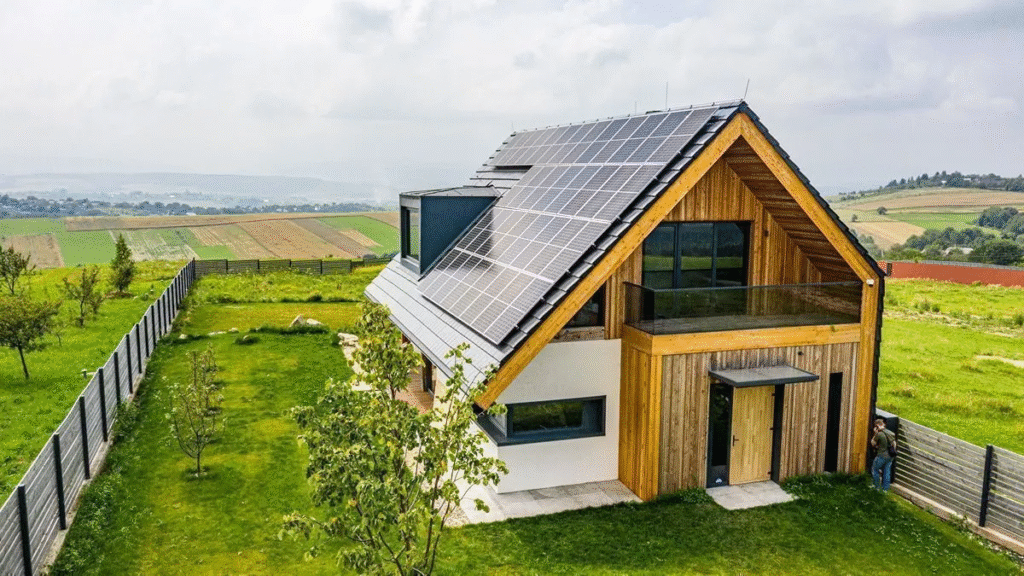
Energy-efficient appliances, solar panels, LED lighting, and double-glazed windows contribute to significantly reduced power and water bills. In some states, homes with a 7-star energy rating or higher can save owners over $1,000 per year on electricity alone. These cost savings are particularly attractive to first home buyers on tight budgets—making a home with sustainable features a more affordable and future-proof investment.
First Home Buyer Grants Make Green Living More Accessible
In Australia, first home buyer schemes and government grants further sweeten the deal. Buyers who qualify for the First Home Owner Grant (FHOG)—available in most states and territories—can put these funds toward newly built or significantly renovated homes. Many of these new properties are already built to meet modern environmental standards, including higher energy efficiency and sustainable materials.
Additionally, programs like the First Home Guarantee (previously known as the First Home Loan Deposit Scheme) and Regional First Home Buyer Guarantee support buyers who can only afford smaller deposits, reducing upfront hurdles. Combined with state-level stamp duty concessions, these programs free up budget room that buyers can use to prioritise eco features in their new homes.
Some builders in Australia even specialise in delivering green turnkey homes that meet FHOG requirements, offering solar, insulation, efficient plumbing, and low-emission materials—all while remaining grant-eligible.
Key Eco Features Attracting First-Time Buyers
Eco-friendly homes can vary widely in scope and cost, but certain features consistently catch the attention of Australia’s first-time buyers:
Solar panels – High on the list for Australian buyers, solar systems reduce dependency on the grid and can dramatically cut electricity bills, especially in sunny states like Queensland, NSW, and WA. Feed-in tariffs further boost appeal.
Water-saving systems – Rainwater tanks, dual-flush toilets, and greywater recycling help lower water bills, which is increasingly important in drought-prone areas like South Australia and Western Victoria.
Passive design – Strategic window placement, cross-ventilation, and thermal mass (like concrete slab flooring) improve indoor climate control without relying heavily on heating or cooling systems.
Efficient appliances and lighting – Homes with high Energy Star-rated whitegoods, induction cooktops, and LED lighting appeal to buyers seeking immediate utility savings.
Sustainable materials – First home buyers are more conscious of materials like recycled timber, bamboo flooring, and low-VOC paints, appreciating the health benefits they bring.
These features not only reduce running costs but often future-proof homes against rising energy prices and stricter building codes.
Healthier Homes for Young Families
Many first home buyers are also young families planning to raise children, and for them, health and indoor air quality matter. Eco-friendly homes typically avoid toxic materials, include better ventilation systems, and reduce exposure to mold and allergens.
Homes that incorporate natural lighting, low-tox finishes, and well-regulated internal climates are perceived as better for long-term wellbeing—something that resonates deeply with parents looking to invest in their children’s futures.
In Australia, this awareness has given rise to “Healthy Home” design principles, which are becoming increasingly common in sustainable home development projects in states like Victoria and New South Wales.
Growing Resale Value and Investment Confidence
While first home buyers might not initially think about resale, long-term value matters. Eco-friendly homes tend to perform better in the resale market as sustainability becomes a more dominant theme in real estate.
Australian studies show that homes with strong energy ratings (6 stars and above) and sustainable features often attract more interest and command higher prices. Buyers today understand that investing in a green home is not only about lifestyle—it’s a smart financial move.
As building standards evolve and governments push for net-zero housing by 2050, homes without green features may face regulatory penalties or value depreciation. For first home buyers, choosing an eco-friendly home now is a proactive way to maintain future asset value.
Aligning with Net-Zero Policies and National Building Codes
The National Construction Code (NCC) has introduced stricter energy efficiency requirements in new builds from 2023 onwards. This includes raising the minimum energy rating to 7 stars under NatHERS and improving thermal performance expectations.
For buyers choosing newly constructed homes eligible under the First Home Owner Grant, these upgrades mean that even “entry-level” homes are built to higher sustainability standards. This alignment between national environmental goals and buyer incentives offers a strategic opportunity for first-timers to step into the future of housing.
Some developers are going a step further, building master-planned communities powered by renewable energy, such as solar microgrids, and offering first home buyers affordable land packages with low energy footprints.
Building or Buying: Two Green Paths
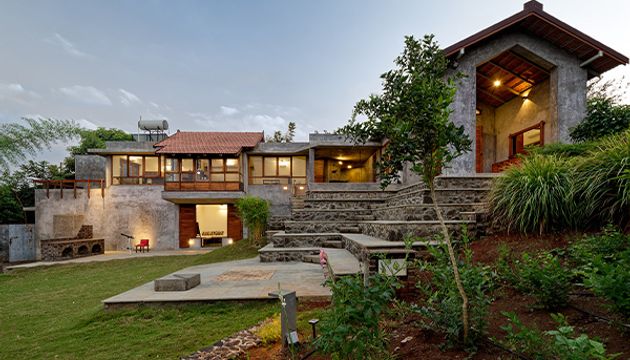
In Australia, first home buyers can take one of two main routes: buying an existing home or building a new one. Building offers more opportunities for customising sustainable features from the ground up. It’s often possible to work with green builders or off-the-plan designs that prioritise environmental performance.
Those purchasing existing homes can look for properties that already include features like solar panels, efficient heating and cooling, or quality insulation—and can retrofit over time using rebates like the Energy Efficient Homes Package or state-based programs.
With sustainability now a common selling point, real estate agents increasingly highlight a home’s energy rating or water-saving features during marketing, helping buyers quickly identify eco-friendly options.
A Cultural Shift That’s Here to Stay
Ultimately, what’s driving the attraction to eco-friendly homes among first home buyers in Australia is a deeper cultural shift. Sustainability is no longer seen as an optional extra; it’s an expected part of responsible living.
As younger generations take control of their financial futures, they’re choosing homes that not only shelter them—but align with their values, reduce their environmental impact, and offer cost-effective long-term living.
From Brisbane to Perth, Adelaide to Hobart, the message is clear: eco-friendly homes are not just better for the planet—they’re better for people. And for Australia’s first home buyers, that’s the kind of win-win that makes green living the smart choice.